
The Experiential Edit, Vol. 5: Kyle Rosenblum, Creative Director, Experiential and Live Events at MC²
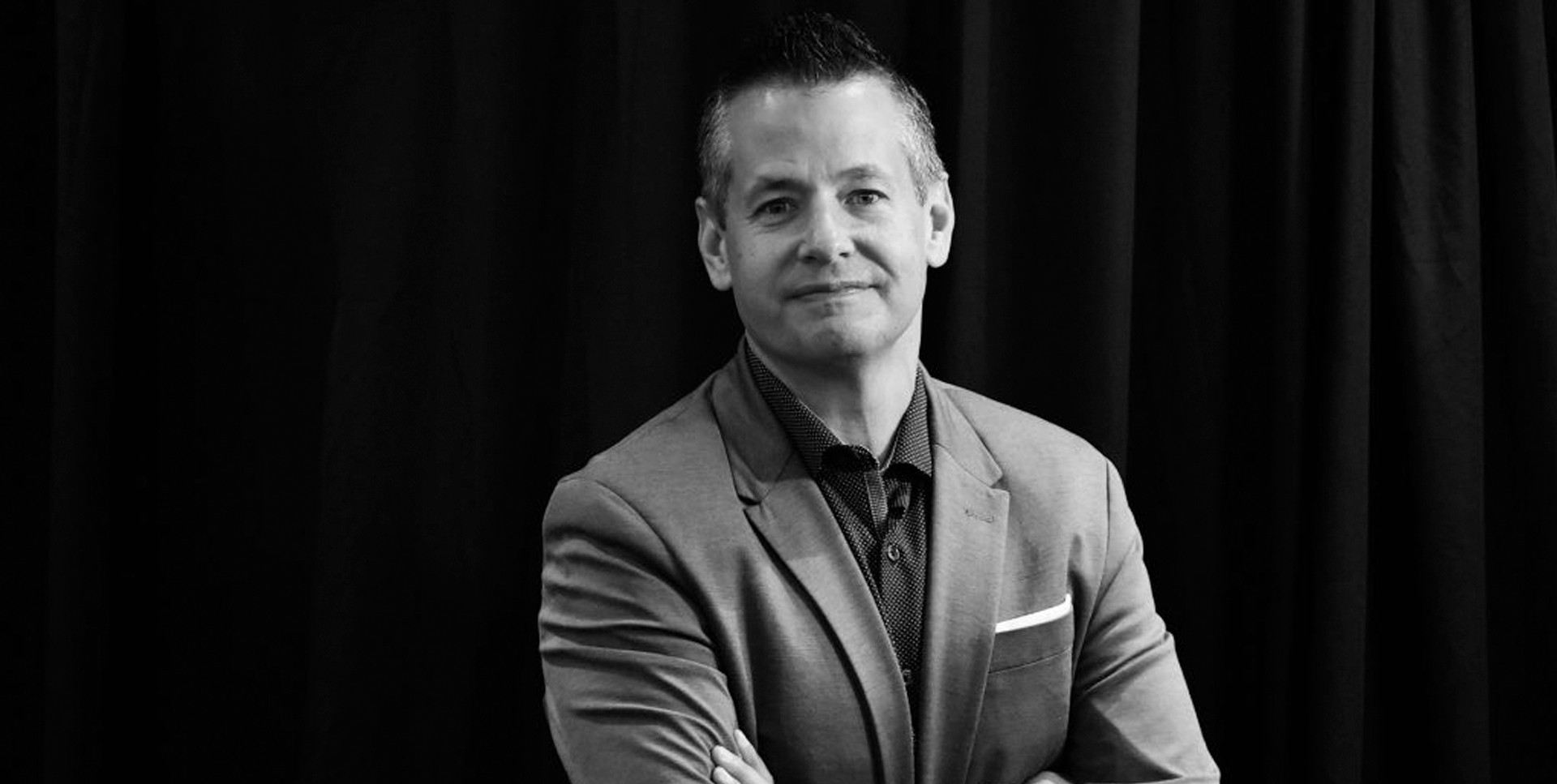
The strongest experiences are built around more than a great idea. They rely on a clear creative vision, thoughtful execution, and an understanding of what draws people in and keeps them engaged. For Kyle Rosenblum, Creative Director, Experiential and Live Events at MC², that means creating environments where every element contributes to a larger story and gives audiences something to discover.
In this edition of The Experiential Edit, Kyle shares his perspective on creativity, curiosity, emerging technology, and the details that can make or break an experience. At the heart of his approach is a belief that the best experiential work doesn’t simply capture attention, it creates a world people want to be part of.
What is your role, and how would you describe it to someone outside the industry?
I am a Creative Director at MC², within the experiential and live events team.
On the one hand, my job is simple enough: ideate and build out a unified concept for an experience or event, and put together the environment, the sensory elements, and the experiential touchpoints that brings that concept to life. On the other hand, I like to describe my role as a director, responsible for collecting the ideas and expertise of my team, and making sure that throughout the process, from initial concept through to execution, there is a consistent story logic that ties everything together. Making sure that every element feels a part of one world that attendees can explore.
Where does your best work usually begin: a strategic insight, a visual idea, a technology, a physical space, or something else?
The best place to start is a blank canvas. For an experience to make a deep impression on you, it needs to have a core creative concept that feels intrinsic to every element. For this, it’s important to identify this core first and build around it, rather than try to take a bunch of disparate ideas and technologies and come up with the why later.
People can always tell when a story is forced, or a creative element feels out of place, and that can undercut the whole experience.
What’s a tiny detail that can completely change how someone feels in a space?
Attendees will always notice when something is incomplete or unfinished. Even if it’s not a conscious acknowledgement, a bad seam, exposed structural elements, or a mismatched color can break the immersion we work so hard to create. And what this means is that any concept needs to leave room for proper execution and polish.
Too often you see otherwise impressive experiences collapse under the weight of their complexity. The best idea in the world will fall flat if you don’t leave yourself room to focus on the finer details.
What emotion do brands underestimate?
Joy! Joy is perhaps the most powerful emotion we as creatives can bring out of an attendee, and it’s the key to forming lasting memories. Whenever possible and appropriate, I always look for a place to inject a little moment of pure fun into any experience; something to bring out the inner child and bring a smile to someone’s face. Whether that’s with a big interactive central element, a game, or just a playful visual element, you win when you can bring a little joy to a person’s day.
What’s something you understand about human behavior that you didn’t when you started designing experiences?
Curiosity can be a bigger driver of attention than inherent interest in a specific brand or product. I believe everyone is curious by nature, and when given the chance people will always want to satisfy that curiosity.
Creating a sense of mystery and discovery within a space can really motivate an attendee to engage with an experience, even if they wouldn’t have been interested on paper.
What’s the strangest place you’ve ever found inspiration for a project?
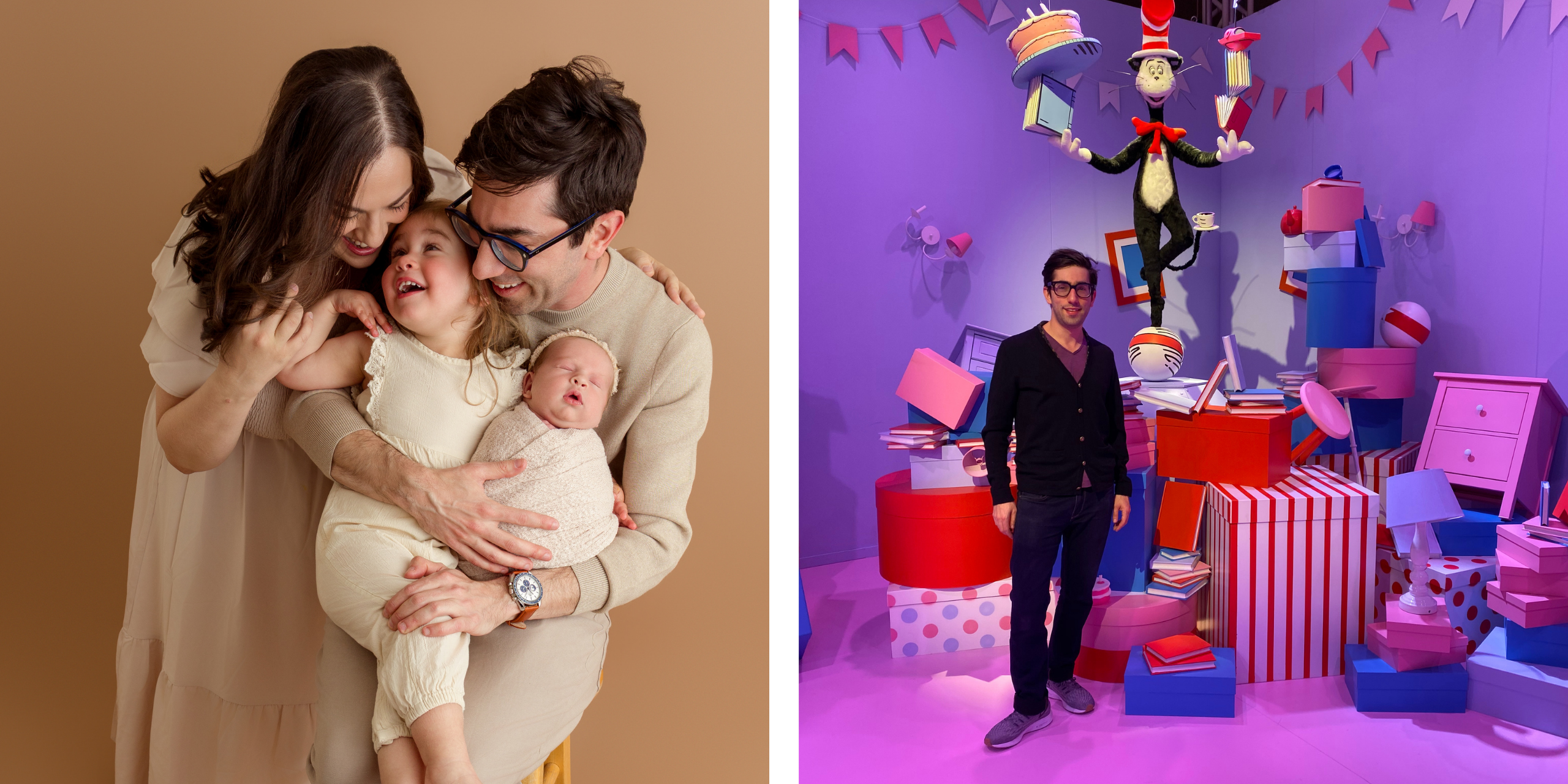
I have found a lot of unexpected inspiration playing and spending time with my toddler daughter. Young kids don’t think and play linearly; they make connections you don’t expect. It is imagination without the structural limits that come with a better understanding of the world. Some of my best ideas come from trying to do the same; to try to imagine how a concept could come to life without the restraints of reality and then start to think about how that idea can translate into the real world.
Is participation always the goal, or are there moments when observation can be just as powerful?
I do think participation is always the goal, but observation itself can be participatory when it elicits real emotion in the viewer. The perfect example of this is live theater.
While predominately a visual medium, great live performance creates a powerful emotional connection between the audience and what is happening on the stage.
The right visuals, executed well, can transform into a participatory experience. When we feel emotionally connected to something, it becomes a part of ourselves.
How are AI and emerging technologies changing the experiential creative process for you?
AI is a fantastic tool to have in your arsenal throughout the creative process, to organize and add structure to individual ideas and elements. Even when used primarily to help storyboard a concept before the actual design process begins, AI can help to enhance the storytelling aspect of a client presentation.
For Kyle, memorable experiences begin with a strong creative idea, but their impact comes from how thoughtfully that idea is brought to life. By balancing imagination with execution and designing for curiosity, joy, and emotional connection, he creates experiences that invite audiences to engage on their own terms. Because when every element feels intentional and part of a larger story, an experience can do more than capture attention, it can make people feel like they’re part of something.